
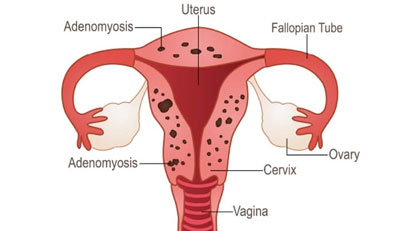
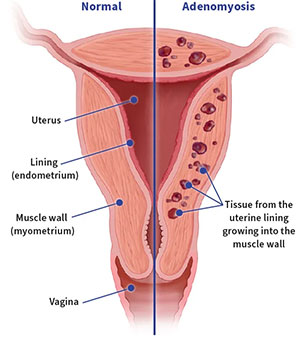
Adenomyosis is a condition in which the inner lining of the uterus (endometrium) grows into the muscular wall of the uterus (myometrium). This causes the uterus to become enlarged, tender, and more sensitive during menstrual cycles. Many women may dismiss the symptoms as normal period pain, but untreated adenomyosis can significantly impact daily activities, emotional well-being, and long-term reproductive health.
Women with adenomyosis commonly experience heavy periods, intense cramping, pelvic pressure, and pain during intercourse. The severity of discomfort often increases over time, especially during menstruation. Early evaluation is important to prevent the condition from progressing and to ensure appropriate management tailored to the woman's age, fertility goals, and symptom severity.
Diagnosis usually begins with a detailed history and pelvic examination, followed by imaging tests. Ultrasound and MRI are particularly helpful in identifying features of adenomyosis and distinguishing it from fibroids or other causes of pelvic pain. A clear diagnosis helps guide the most effective treatment strategy and ensures that symptoms are addressed efficiently.
Treatment is customized based on the woman's age, severity of symptoms, and desire to preserve fertility.
Minimally invasive treatments are preferred because they offer faster recovery, reduced pain, and minimal blood loss. For younger women who wish to conceive, fertility-preserving strategies are emphasized, helping maintain healthy uterine function and reducing discomfort during menstrual cycles.
Adenomyosis can be physically and emotionally challenging, but with timely diagnosis and advanced gynecologic care, women can experience significant symptom relief and restored quality of life. A personalized, compassionate approach ensures that every woman receives the most effective treatment based on her individual needs and reproductive goals.