
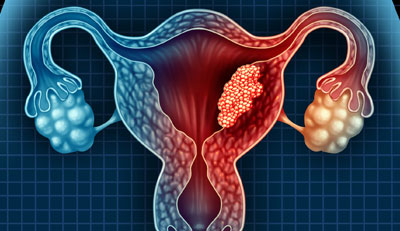
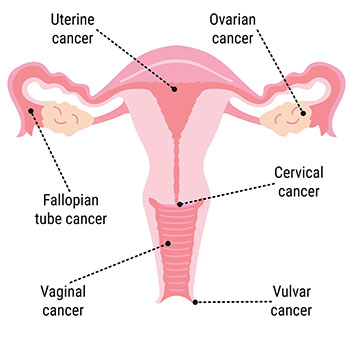
Gynecologic cancers, including cervical, uterine, and ovarian cancers, require timely diagnosis and expert management to ensure the best possible outcomes. These cancers can develop from different parts of the female reproductive system and often show subtle symptoms in their early stages. With advancements in women’s oncology, early detection combined with minimally invasive surgical expertise allows for effective treatment while preserving quality of life.
Cervical cancer commonly develops due to persistent high-risk HPV infection, while uterine cancer typically arises from abnormal cell growth in the endometrium. Ovarian cancer, often detected at a later stage, may present with vague symptoms like bloating or abdominal discomfort. Understanding these symptoms and seeking timely evaluation can significantly improve prognosis and treatment outcomes.
Diagnosis begins with a thorough clinical examination followed by targeted imaging like ultrasound or MRI. Pap smears, HPV testing, endometrial biopsy, and tumor marker tests may also be required depending on the suspected cancer type. In selected cases, minimally invasive laparoscopy helps determine the stage and spread of the disease, guiding the most effective treatment approach.
Treatment depends on the cancer type, stage, spread, and the woman’s overall health and reproductive goals.
Advanced laparoscopic and minimally invasive techniques offer significant benefits by reducing postoperative pain, minimizing blood loss, and speeding up recovery while delivering oncologically safe outcomes. A tailored treatment plan ensures that each woman receives care suited to her specific diagnosis, stage, and long-term goals.
Gynecologic cancers can be emotionally overwhelming, but with timely diagnosis and expert surgical care, many women achieve excellent outcomes. A patient-centered approach ensures clarity, comfort, and continuous support throughout treatment, empowering women with the confidence to navigate their journey toward recovery and long-term wellness.