
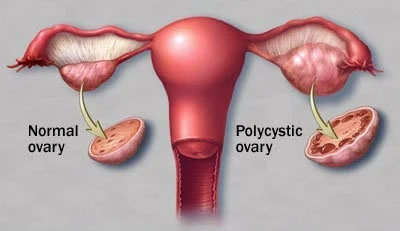
Polycystic Ovary Syndrome (PCOS) is a common hormonal disorder that affects millions of women during their reproductive years. It leads to irregular periods, hormonal imbalance, weight changes, acne, excessive hair growth, and difficulties with ovulation and fertility. Although PCOS can be frustrating and overwhelming, it is a manageable condition with the right medical guidance, lifestyle support, and timely treatment. Early diagnosis and a personalized care plan can significantly improve symptoms and long-term health.
Women with PCOS often experience irregular or absent menstrual cycles due to lack of regular ovulation. Many also struggle with skin issues, weight gain, and metabolic concerns such as insulin resistance. Addressing these symptoms holistically helps restore hormonal balance and improves overall well-being.
PCOS is also linked with long-term risks such as diabetes, hypertension, and endometrial thickening. This makes regular monitoring and early intervention essential for long-term health and fertility planning.
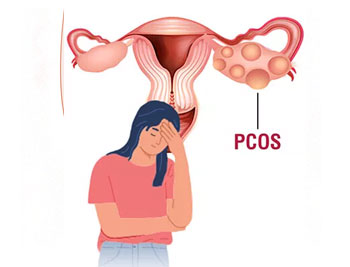
Understanding the underlying cause helps create a tailored, effective treatment plan that addresses both hormonal and metabolic aspects.
Treatment for PCOS is individualized based on symptoms, fertility goals, and metabolic health. A combination of lifestyle measures, medications, and advanced reproductive treatments may be recommended.
With expert evaluation and proper management, most women with PCOS can achieve regular cycles, improved hormonal balance, and successful pregnancy outcomes. Minimally invasive laparoscopic approaches offer additional advantage for patients who need surgical support to restore ovulation.
PCOS is a lifelong condition, but with the right care, women can lead healthy, confident, and fulfilling lives. A supportive, patient-centered approach ensures comprehensive management of both hormonal and metabolic aspects, empowering women to take control of their health and future.