
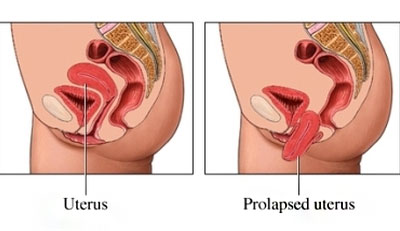
Pelvic organ prolapse occurs when the muscles and tissues that support the uterus, bladder, or rectum become weak, causing these organs to drop downward or press into the vaginal canal. This condition is common in women after childbirth, menopause, or pelvic surgery, and can lead to discomfort, pressure, urinary issues, and difficulty with daily activities. Although prolapse can feel embarrassing or distressing, it is highly treatable with modern, minimally invasive techniques and personalized care.
Women often describe a feeling of heaviness in the pelvis or a sensation that “something is coming down.” Early diagnosis and expert evaluation can help prevent symptoms from worsening and restore pelvic strength and comfort.
Pelvic organ prolapse may affect the bladder (cystocele), uterus (uterine prolapse), rectum (rectocele), or the top of the vagina after hysterectomy (vault prolapse). Identifying which organs are involved helps guide the most effective treatment plan.
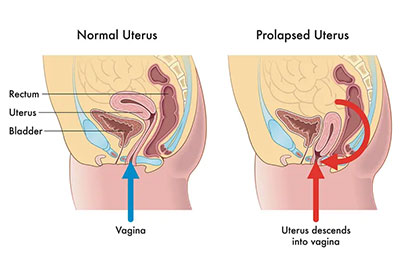
Understanding the contributing factors helps prevent recurrence and supports long-term pelvic health.
Treatment is based on the severity of prolapse, symptoms, age, and overall health. Both non-surgical and surgical options are available.
Minimally invasive laparoscopic and robotic techniques offer excellent long-term success, reduced pain, smaller incisions, and faster recovery—making them preferred approaches for many women.
Pelvic organ prolapse is a treatable condition, and no woman should feel embarrassed seeking help. With expert evaluation, advanced minimally invasive surgery, and compassionate care, women can regain strength, comfort, and confidence—allowing them to return to an active and comfortable lifestyle.