
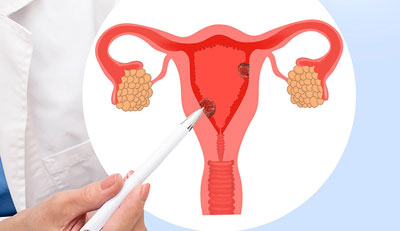
An endometrial polyp is a small, soft growth that forms on the inner lining of the uterus (endometrium). These growths are usually noncancerous but can cause irregular bleeding, heavy periods, spotting between cycles, or difficulty conceiving. Because symptoms often overlap with other gynecologic conditions, many women remain unaware of the issue until it is identified during an ultrasound or evaluation for menstrual abnormalities or infertility.
Endometrial polyps can vary in size—from a few millimeters to several centimeters—and may occur singly or in multiples. While some polyps may remain silent, others may interfere with implantation or contribute to fertility struggles. Early diagnosis and removal can significantly improve symptoms and reproductive outcomes.
Diagnosis typically involves pelvic ultrasound or saline infusion sonography, which provides a clearer view of the uterine cavity. Hysteroscopy is the gold standard, allowing both confirmation and removal of the polyp in the same procedure.
Understanding these factors helps guide long-term management and prevent recurrence, especially in women with repeated bleeding issues or fertility concerns.
Treatment depends on symptoms, age, and whether the woman is planning a pregnancy.
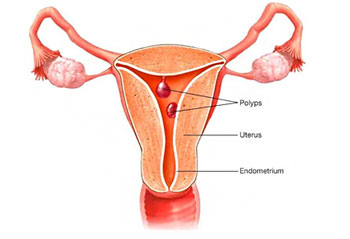
Hysteroscopic removal is quick, safe, and does not require abdominal cuts. Most women return home the same day and experience immediate improvement in symptoms.
Endometrial polyps are highly treatable, and timely removal can significantly improve menstrual health and fertility outcomes. With expert evaluation and advanced hysteroscopic techniques, women can expect safe treatment, quick recovery, and long-term relief from troubling symptoms.