
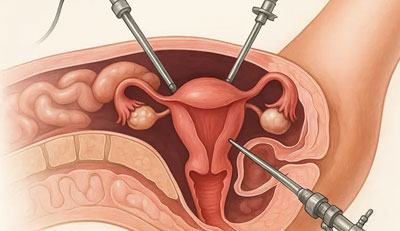
A hysterectomy is a surgical procedure to remove the uterus and is recommended when other treatments have not provided relief or when certain conditions pose risks to long-term health. Many women undergo this surgery for persistent symptoms such as heavy bleeding, severe pelvic pain, fibroids, adenomyosis, endometriosis, or gynecologic cancers. With advancements in minimally invasive techniques, hysterectomy today is safer, more precise, and offers significantly faster recovery.
The decision to undergo a hysterectomy is highly individualized. It depends on the woman’s symptoms, severity of the condition, and whether she wishes to preserve fertility. For those who have completed childbearing and are living with chronic discomfort or repeated complications, this procedure can offer long-term relief and improve quality of life.
Hysterectomy can be performed using different surgical approaches. Minimally invasive techniques such as laparoscopic or robotic hysterectomy offer better visualization, less tissue trauma, and quicker healing compared to traditional open surgery.
The type of procedure recommended depends on the underlying condition and the structures that need treatment.
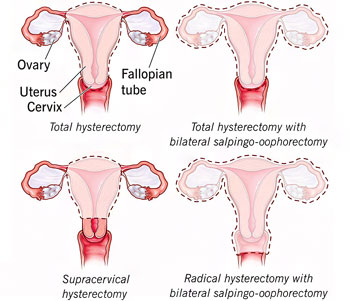
Whenever possible, minimally invasive surgery is preferred because it allows women to return to normal life sooner while ensuring complete and safe removal of the diseased tissue.
Undergoing a hysterectomy can be a life-changing decision, but with the right guidance and advanced surgical expertise, most women experience significant relief and improved quality of life. Each treatment plan is designed with safety, comfort, and long-term well-being in mind, ensuring a smooth recovery journey and lasting health benefits.