
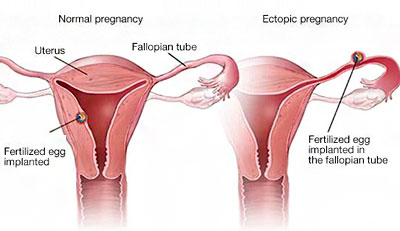
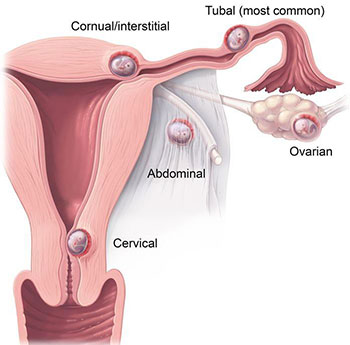
Ectopic pregnancy occurs when a fertilized egg implants outside the uterus, most commonly in the fallopian tube. Because the tube cannot support a growing pregnancy, this condition can lead to bleeding and serious complications if not treated promptly. Early recognition and timely medical or surgical intervention are essential to protect the woman’s health and preserve future fertility.
Many women may initially mistake an ectopic pregnancy for a normal early pregnancy or a delayed period. However, certain symptoms—especially pain on one side of the abdomen, abnormal bleeding, or sudden weakness—should never be ignored. Evaluation by an experienced gynecologist using ultrasound and blood tests can help diagnose the condition at an early stage.
An ectopic pregnancy cannot grow normally and must be treated as a medical emergency. Diagnosis involves pelvic ultrasound and measuring hormone levels (beta-hCG). Identifying the condition early allows for safer and more conservative treatment options.
Treatment depends on how early the ectopic pregnancy is detected, the woman’s symptoms, and her future fertility goals.
Laparoscopic surgery is the preferred approach in most cases because it offers quicker recovery, minimal scarring, and better preservation of reproductive organs. Most women go home within 24 hours and return to normal activities faster compared to traditional open surgery.
Experiencing an ectopic pregnancy can be emotionally overwhelming. With timely care and advanced minimally invasive techniques, women can recover safely and continue planning for future pregnancies with confidence. Compassionate guidance, accurate diagnosis, and expert surgical management ensure the best possible outcomes.