
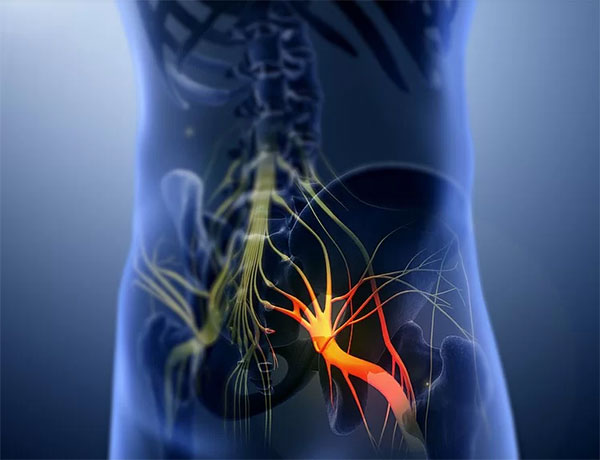
Nerve endometriosis is a rare but severe form of endometriosis in which endometrial-like tissue affects the pelvic nerves. These nerves may include the sciatic nerve, sacral nerves, or other nerve structures within the pelvis. Because nerve involvement can cause intense pain and neurological symptoms, early recognition and expert management are essential.
When endometriosis involves nerves, pain may extend beyond the pelvis and radiate to the legs, hips, buttocks, or lower back. Symptoms often worsen around menstruation and may progress over time if untreated. Accurate diagnosis and precise surgical planning are crucial to prevent long-term nerve damage.
Symptoms depend on which nerve is affected and may mimic orthopedic or neurological conditions. Awareness of these signs can help in early detection.
Diagnosing nerve endometriosis requires specialised evaluation, as routine scans may not always detect nerve involvement. A combination of imaging and minimally invasive techniques helps accurately locate the disease.
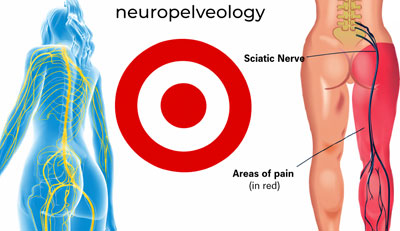
Treatment is individualized based on symptom severity, extent of nerve involvement, and fertility goals. Management often requires advanced laparoscopic expertise and careful nerve-sparing techniques.
When performed by an experienced minimally invasive surgeon, laparoscopic excision offers the best chance for pain relief, functional recovery, and improved quality of life. Early intervention significantly reduces the risk of permanent nerve injury.
If you experience severe pelvic pain, leg pain, or neurological symptoms that worsen during menstruation, nerve endometriosis may be the underlying cause. With advanced diagnostic tools and specialised minimally invasive surgery, effective treatment and long-lasting relief are achievable.