

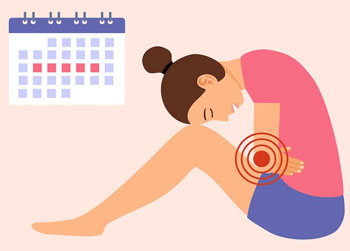
Painful periods, also known as dysmenorrhea, are one of the most common gynecologic concerns among women. While mild discomfort is normal, severe pain that interferes with work, studies, or daily activities is not something to ignore. Many women suffer silently for years, assuming it is “normal,” but persistent menstrual pain can often indicate underlying conditions that need medical attention.
Menstrual pain may range from cramping and lower abdominal pressure to back pain, nausea, and fatigue. In some cases, conditions like endometriosis, fibroids, adenomyosis, or pelvic infections may be the root cause. Early evaluation and the right treatment can significantly improve comfort, reduce symptoms, and prevent complications.
A detailed evaluation helps identify whether the pain is primary (without a specific cause) or secondary, where an underlying condition needs to be treated. Ultrasound, pelvic examination, and in some cases laparoscopy, help diagnose the exact reason for severe menstrual pain.
Understanding the root cause helps guide treatment more effectively, especially for women whose pain has progressively worsened over time or is affecting fertility.
Treatment is customized based on symptom severity, age, future fertility plans, and underlying conditions if detected.
Minimally invasive surgical techniques offer significant benefits for women whose menstrual pain is caused by structural conditions. These approaches ensure faster recovery, minimal scarring, and effective long-term symptom control.
Painful periods should never be dismissed as normal. With expert evaluation and personalized care, women can experience significant relief, regain control over their daily life, and ensure long-term reproductive and pelvic health. Comprehensive treatment offers both symptom relief and lasting well-being.