
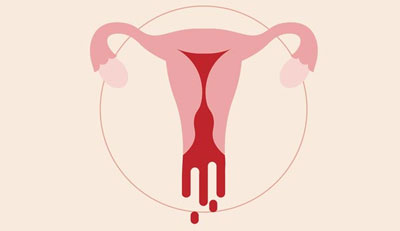
Heavy menstrual bleeding, also known as menorrhagia, is a common yet often overlooked gynecologic concern. Many women experience excessive blood loss, prolonged periods, or large clots that affect energy levels, daily routine, and overall quality of life. Although heavy periods are sometimes considered “normal,” they can be a sign of underlying medical conditions that require proper evaluation and timely treatment.
Untreated menorrhagia can lead to anemia, weakness, fatigue, and, in some cases, fertility issues. Identifying the cause early is essential for effective management and maintaining long-term reproductive health.
Heavy bleeding can occur due to hormonal imbalance, fibroids, polyps, adenomyosis, thyroid disorders, or uterine infections. A detailed evaluation, including ultrasound and blood tests, helps identify the exact cause.
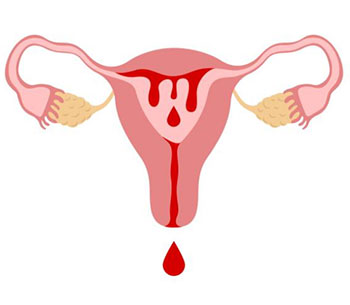
Understanding the underlying reason helps guide the most effective treatment plan, especially for women who wish to preserve fertility or avoid invasive procedures wherever possible.
Treatment depends on the cause, severity, age, and future pregnancy plans. Both medications and advanced minimally invasive procedures are available.
Women often experience significant relief after proper diagnosis and targeted therapy. Minimally invasive approaches offer faster recovery, minimal discomfort, and excellent long-term results.
Heavy menstrual bleeding does not have to be endured silently. With expert evaluation, modern treatment options, and a supportive care environment, women can achieve lasting relief, regain confidence, and enjoy a healthier, more balanced menstrual cycle.