
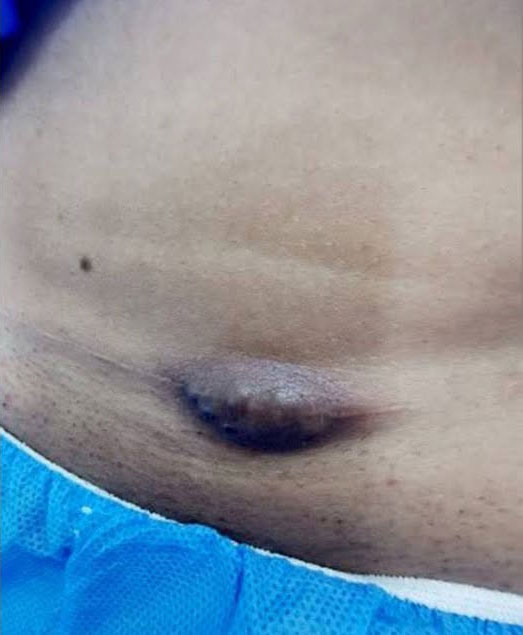
Scar endometriosis is a rare form of endometriosis in which endometrial-like tissue develops within or around a surgical scar. It most commonly occurs following procedures such as cesarean section (C-section), laparoscopic surgeries, hysterectomy, or other pelvic operations. The condition can cause localized pain and swelling at the scar site, often leading to delayed diagnosis.
The hallmark feature of scar endometriosis is cyclical pain or swelling at the surgical scar, which typically worsens during menstruation. Over time, the lesion may increase in size and cause persistent discomfort, affecting daily activities and quality of life. Early recognition and proper surgical treatment are key to complete relief.
Symptoms are usually localized to the scar area and may vary in intensity depending on hormonal changes during the menstrual cycle.
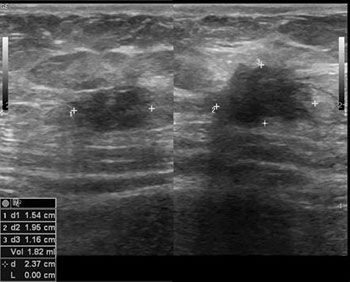
Diagnosis begins with a detailed history of prior surgeries and symptom patterns. Imaging studies help confirm the diagnosis and define the size and depth of the lesion.
Surgical removal is the most effective and definitive treatment for scar endometriosis. Medical therapy alone is usually insufficient and provides only temporary symptom relief.
When performed by an experienced gynecologic surgeon, surgical excision offers excellent outcomes with minimal recurrence. Patients typically experience complete resolution of pain and return to normal activities within a short recovery period.
If you notice pain, swelling, or a lump near a previous surgical scar—especially if symptoms worsen during menstruation—scar endometriosis may be the cause. With accurate diagnosis and expert surgical care, long-term relief and complete recovery are highly achievable.