
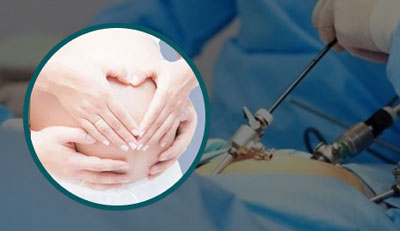
Fertility-enhancing surgery focuses on identifying and treating the underlying causes that prevent natural conception. Many gynecologic conditions—such as endometriosis, fibroids, ovarian cysts, pelvic adhesions, and tubal blockages—can interfere with fertility. Through advanced laparoscopic and minimally invasive surgical techniques, these issues can be corrected while preserving the reproductive organs and improving the chances of successful pregnancy.
The goal of fertility-enhancing surgery is to restore normal pelvic anatomy, reduce pain, and create an environment where conception can occur naturally. These procedures are especially beneficial for women who wish to avoid or delay assisted reproductive technologies like IVF, or who need surgical correction before beginning fertility treatments.
Using minimally invasive surgical approaches ensures faster recovery, less scarring, and better preservation of ovarian reserve—an essential factor for women planning pregnancy.
These procedures aim to support natural conception or enhance the success of fertility treatments like IUI and IVF. The choice of surgery is personalized based on the patient’s age, ovarian reserve, severity of disease, and reproductive goals.
Fertility-enhancing surgery offers hope to women who are struggling to conceive or experiencing pelvic pain due to structural gynecologic issues. By combining advanced laparoscopic skills with a fertility-focused approach, comprehensive surgical care helps restore reproductive health, improves quality of life, and supports the journey toward motherhood.