
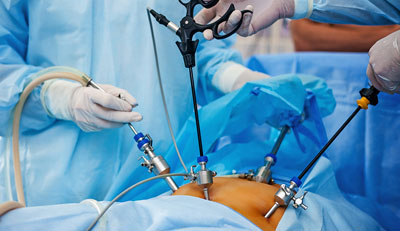
Laparoscopic surgery, also known as minimally invasive or keyhole surgery, uses small incisions and advanced high-definition instruments to diagnose and treat a wide range of gynecologic conditions. This modern surgical approach offers greater precision, faster recovery, and significantly less pain compared to traditional open surgery. It is a preferred technique for conditions such as endometriosis, fibroids, ovarian cysts, pelvic adhesions, infertility-related issues, and many pelvic disorders.
With the help of a tiny camera inserted into the abdomen, surgeons can clearly visualize pelvic organs, allowing highly accurate and gentle treatment. This is especially important for women who want organ preservation, minimal scarring, and quicker return to routine activities.
Laparoscopy is also widely used for fertility-enhancing procedures, where restoring normal pelvic anatomy and preserving ovarian reserve are crucial. For many women, minimally invasive surgery becomes an important step toward improving natural conception or enhancing IVF success.
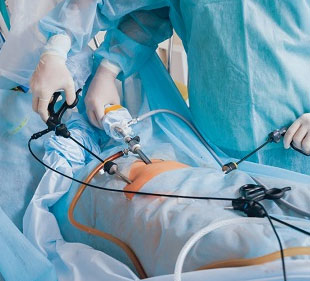
These procedures are performed with utmost precision, ensuring minimal trauma to surrounding tissues. High-resolution magnification during laparoscopy enhances the surgeon’s ability to operate safely, especially in complex cases like deep endometriosis or large fibroids.
Laparoscopic surgery has transformed women’s healthcare by combining advanced technology with a gentle, minimally invasive approach. It offers safe, effective, and long-lasting results for many gynecologic conditions, allowing women to recover comfortably and return to their routines with confidence.