
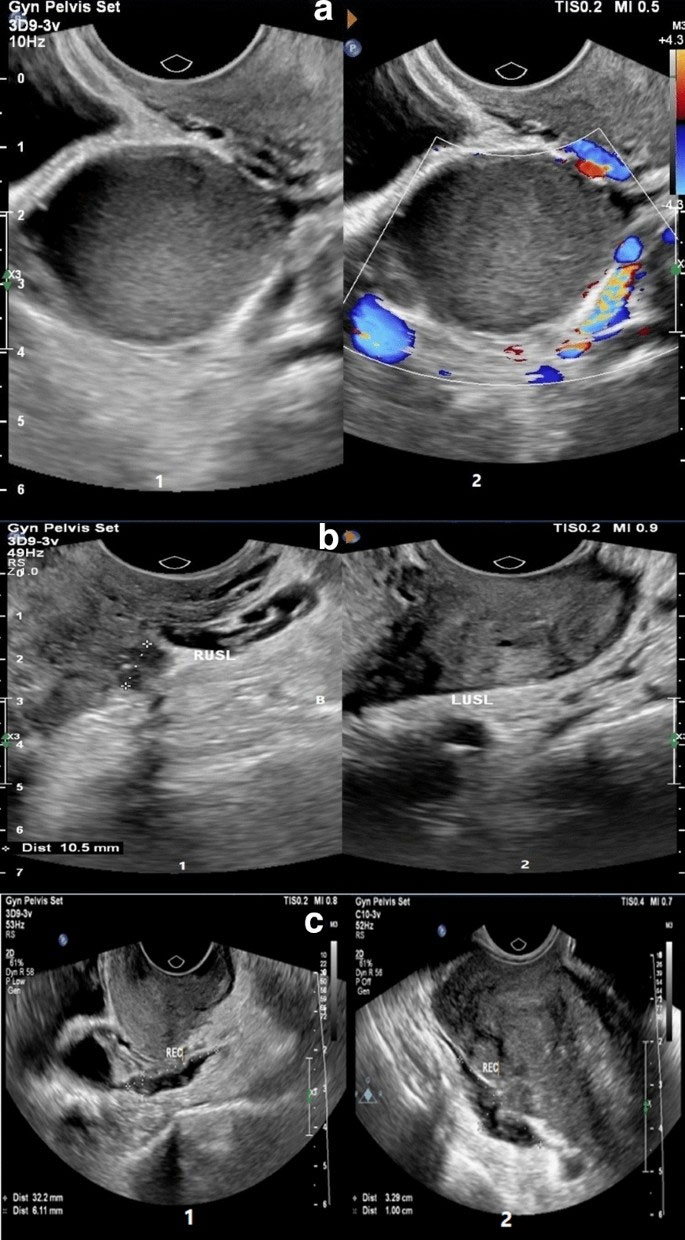
Diagnosing endometriosis can be challenging because its symptoms often resemble other gynecologic or abdominal conditions. Many women experience years of discomfort before receiving a confirmed diagnosis. A structured and detailed evaluation is essential to identify the condition early and begin appropriate treatment.
Diagnosis typically involves a combination of thorough medical history, physical examination, and advanced imaging. However, because endometriosis can occur deep inside the pelvis or on organs where imaging may not detect it, minimally invasive laparoscopy remains the most accurate method for confirmation and treatment.
A structured diagnostic approach helps identify the severity, location, and extent of endometriotic lesions. This ensures precise planning for treatment, symptom relief, and fertility preservation.
Early and accurate diagnosis is crucial, as untreated endometriosis can lead to worsening pain, pelvic adhesions, ovarian cysts, and fertility challenges. A comprehensive evaluation ensures that every patient receives a tailored, effective treatment plan based on her symptoms and reproductive goals.
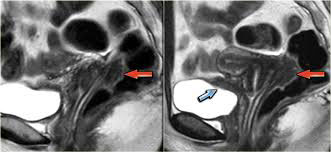
If you suspect endometriosis or have been living with unexplained pelvic pain, menstrual irregularities, or fertility issues, seeking timely evaluation can make a significant difference. With advanced diagnostic tools and minimally invasive techniques, accurate detection and effective treatment are well within reach.