
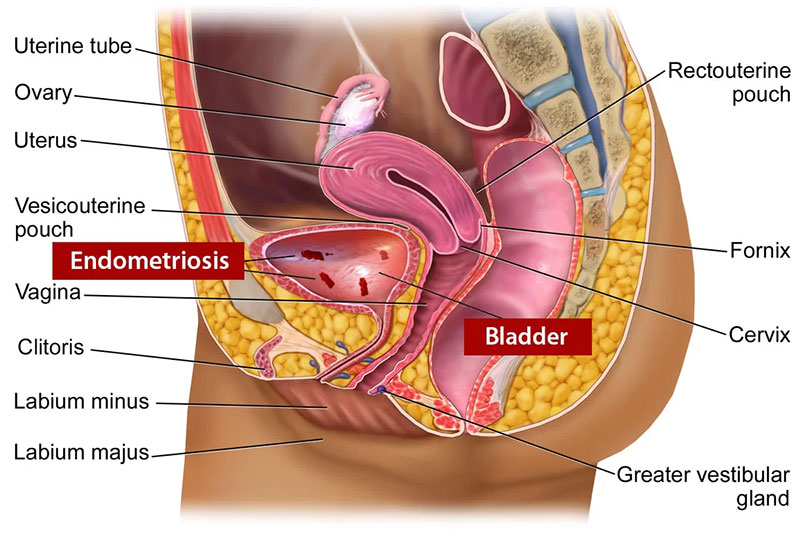
Bladder endometriosis occurs when endometrial-like tissue grows on the surface of the bladder or within the bladder wall. Although less common than ovarian or pelvic endometriosis, it can significantly affect a woman’s comfort, urinary health, and overall quality of life. Because symptoms often resemble urinary infections, many women experience delays in diagnosis.
This condition typically causes cycle-related urinary discomfort, pelvic pain, or pressure. In deeper cases, the bladder wall may become thickened, leading to difficulty in fully emptying the bladder or increased frequency of urination. Early detection and specialised treatment can prevent progression and protect long-term bladder function.
Symptoms may mimic urinary tract infections (UTIs) but tend to worsen around menstruation. Understanding these signs can help women seek timely evaluation.
Diagnosis requires a combination of gynecologic evaluation and imaging to assess the extent of bladder involvement. Because the bladder is a delicate structure, accurate mapping is essential before planning treatment.
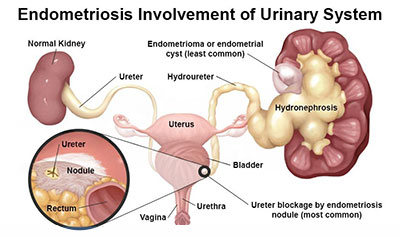
Treatment depends on the depth of the lesion, severity of symptoms, and the patient’s fertility goals. Minimally invasive laparoscopic or robotic surgery provides safe and effective removal while preserving bladder function.
With expert minimally invasive surgery, most women experience significant improvement in urinary comfort, pelvic pain, and overall quality of life. Recovery is typically quick, with reduced risk of recurrence when the disease is completely excised.
If you experience persistent urinary discomfort, pain during periods, or symptoms resembling repeated UTIs, bladder endometriosis may be the underlying cause. With timely evaluation and advanced treatment options, long-lasting relief and improved daily comfort are absolutely achievable.