
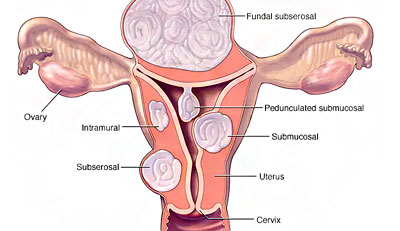
Fibroids, also known as uterine leiomyomas, are non-cancerous growths that develop within the uterus. They vary in size and number and may grow inside the uterine cavity, within the muscle wall, or on the outer surface of the uterus. Although many women may have fibroids without symptoms, others experience significant discomfort, menstrual disturbances, or fertility challenges. Early evaluation is essential to decide the most appropriate treatment based on age, symptoms, and reproductive goals.
Fibroids can cause a wide range of symptoms depending on their size, location, and rate of growth. Women may notice heavy or prolonged periods, pelvic pressure, urinary frequency, or difficulty conceiving. While fibroids are non-cancerous, they can greatly impact daily life when left untreated, especially when they grow rapidly or cause persistent bleeding.
Diagnosis typically begins with a pelvic examination followed by imaging studies such as an ultrasound or MRI to accurately map the size, number, and location of fibroids. This helps determine whether medical treatment, minimally invasive surgery, or a fertility-preserving approach is best suited for the patient.
Treatment depends on symptoms, size of the fibroids, their location, and whether the woman wishes to preserve fertility.
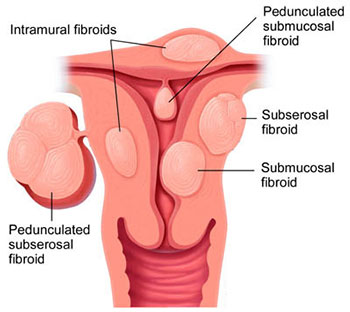
Minimally invasive myomectomy offers numerous advantages, including smaller incisions, less blood loss, reduced pain, and faster return to normal activities. It also helps restore the natural shape and function of the uterus, which is especially important for women planning future pregnancies.
Managing fibroids requires a personalized and compassionate approach. The goal of treatment is not only to relieve symptoms but also to improve quality of life, restore uterine health, and support future fertility. With expertise in advanced minimally invasive gynecologic surgery, long-term relief and excellent reproductive outcomes are achievable for women affected by fibroids.